Evaluating the Mandala Monogram Letter S for Design Projects
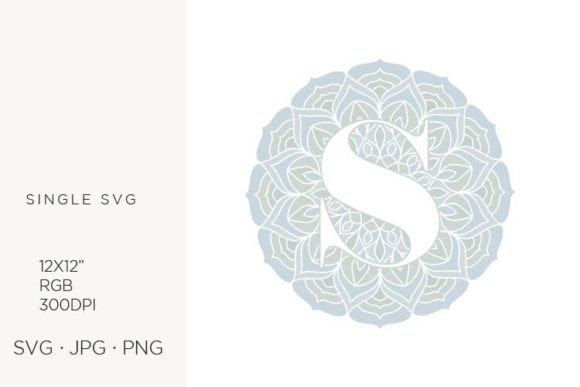
The intersection of intricate geometric patterns and personalized typography creates a unique category within digital design assets. The Mandala Monogram Letter S represents one such element, combining the symmetrical complexity of mandalas with the distinct shape of the letter "S". For designers, crafters, and small business owners, understanding the technical specifications and practical applications of this asset is essential before integrating it into a project. This evaluation explores the nature of these vector-based elements, their utility across various mediums, and the strategic considerations required to determine if they align with specific creative goals.
Defining the Asset: Technical Specifications and Format
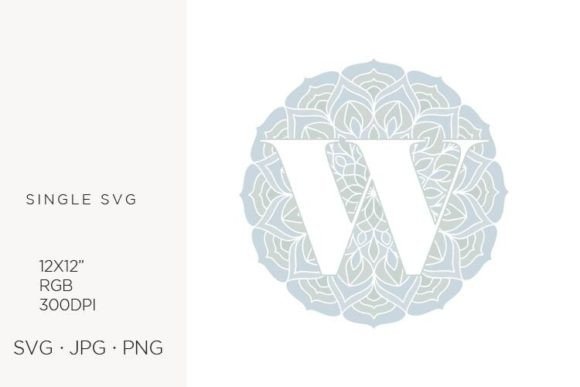
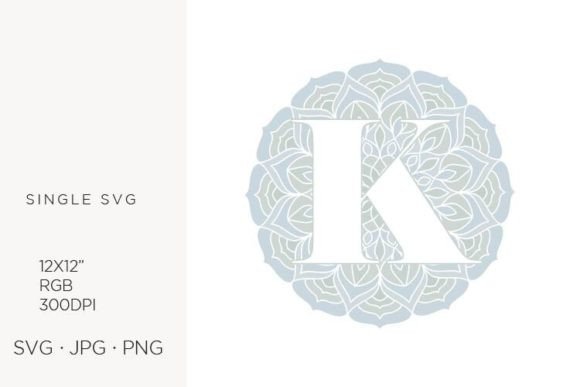
At its core, the Mandala Monogram Letter S is a digital graphic element created using professional vector software, specifically Adobe Illustrator. The creation process in a vector program ensures that the lines and curves defining the mandala pattern and the monogram are mathematically precise rather than pixel-based. This distinction is critical for scalability. Unlike raster images that degrade when enlarged, vector files maintain crisp edges regardless of size.
The standard configuration for these assets typically includes an artboard size of 12 x 12 inches, providing a square canvas that is versatile for both print and digital layouts. The resolution is set at 300 dpi (dots per inch), which is the industry standard for high-quality printing. While vector files are inherently resolution-independent, the accompanying raster versions are often exported at this density to ensure sharpness on physical media. The color palette utilizes the RGB model, which is optimized for screen display, though conversion to CMYK is often necessary for professional offset printing.
A key feature of this asset package is the availability of multiple file formats, including SVG, JPG, and PNG. The SVG (Scalable Vector Graphics) format preserves the editability of the artwork, allowing users to modify colors, paths, or individual elements directly in compatible software. The PNG format offers transparency, making it ideal for overlaying the monogram onto different backgrounds without a white box. The JPG format provides a compressed version suitable for web use where file size is a priority over absolute clarity.
Applications and Use Cases
The versatility of the Mandala Monogram Letter S extends across a wide range of creative disciplines. Because the design balances organic flow with structured geometry, it fits seamlessly into projects requiring a touch of elegance or personalization.
- Logo Design: Businesses seeking a brand identity that conveys creativity, balance, or spirituality may find this monogram effective. It serves as a central icon or a watermark within a larger branding suite.
- Wall Art and Decor: When printed on canvas or high-quality paper, the intricate details of the mandala become a focal point. The 12 x 12 artboard size is particularly convenient for framing standard square frames.
- Stationery and Invitations: Personalized wedding invitations, baby announcements, or holiday cards often utilize monograms. The "S" can represent a surname, a middle initial, or a brand name, adding a customized layer to the stationery.
- Handmade Crafts and Jewelry: Crafters can use these designs for laser cutting, vinyl decal making, or embroidery digitizing. The clean lines of the vector file facilitate precise cutting on materials like wood, leather, or acrylic.
- Web and Graphic Design: In digital environments, the SVG format allows for lightweight integration into websites, serving as profile icons, section dividers, or decorative headers.
Benefits and Strategic Advantages
Choosing a pre-designed Mandala Monogram Letter S offers several advantages over creating a similar image from scratch. The primary benefit is efficiency. Developing a complex mandala structure that integrates perfectly with a typographic character requires significant time and skill in Adobe Illustrator. Utilizing a ready-made asset accelerates the production timeline, allowing creators to focus on layout, color theory, and final composition.
Furthermore, the quality assurance inherent in professionally designed vector files reduces the risk of technical errors. Issues such as unclosed paths, stray anchor points, or low-resolution artifacts are common pitfalls for novice designers. By starting with a polished base, the end product maintains a professional appearance. The inclusion of multiple file formats also eliminates the need for the user to perform conversions, ensuring compatibility with various software tools and hardware devices.
For those engaged in handmade crafts, the precision of the vector data is invaluable. Whether using a Cricut machine, a laser cutter, or a heat press, the accuracy of the lines determines the success of the physical item. A well-constructed Mandala Monogram Letter S ensures that the final cut or print matches the digital preview exactly.
Tradeoffs and Considerations
While the benefits are clear, there are tradeoffs to consider regarding customization and exclusivity. Since these are digital downloads available to others, the design is not unique to a single user. If the goal is to create a trademarked logo for a large corporation, relying on a stock-style monogram might pose legal or branding risks due to lack of originality. In such cases, the design may serve better as a secondary element rather than the primary brand mark.
Another consideration is the level of modification required. Although the SVG format is editable, altering the fundamental structure of a complex mandala can be challenging for users without advanced knowledge of vector software. Simple color changes are straightforward, but reshaping the "S" or rearranging the mandala petals requires a strong grasp of pathfinding tools. Users must assess their own technical proficiency before committing to a design that demands heavy editing.
Additionally, the RGB color palette mentioned in the specifications is optimized for screens. For print projects, especially those involving offset printing presses, the colors may shift when converted to CMYK. Designers should anticipate this variance and test print proofs to ensure the final output meets expectations. The 12 x 12 artboard size, while versatile, may require scaling for very large format prints, necessitating careful checks to ensure the vector integrity holds up at massive dimensions.
Determining Fit: When to Choose Alternatives
The Mandala Monogram Letter S is a strong fit for individuals and small businesses looking for high-quality, customizable assets for personal or semi-commercial use. It is particularly effective for events, small batch products, and digital content where speed and aesthetic appeal are priorities. If a project involves a limited budget but requires a professional look, this type of asset provides excellent value.
However, alternatives may be worth considering in specific scenarios. If the project demands a completely unique intellectual property that cannot be found anywhere else, commissioning a custom illustrator to create a bespoke monogram is the superior choice. Similarly, if the design style required is strictly minimalist or abstract, the ornate nature of a mandala might clash with the desired aesthetic. In such cases, a simpler geometric or serif monogram would be more appropriate.
Furthermore, if the intended application involves extremely complex multi-layered effects that exceed the capabilities of standard vector editing, a more specialized asset or a custom build might be necessary. Users should evaluate whether the existing design can be adapted sufficiently or if the constraints of the template will hinder the final vision.
Practical Decision-Making Insights
To determine if the Mandala Monogram Letter S aligns with your goals, begin by reviewing the technical requirements of your project. Verify that your software supports SVG files if you plan to edit the vector paths. Check the color profiles required by your printer or web platform to ensure the RGB files can be converted without significant loss of fidelity.
Consider the scale of your distribution. If you are producing thousands of items for mass market retail, the potential for design duplication becomes a higher risk factor. Conversely, for boutique items, personalized gifts, or digital portfolios, the likelihood of conflict is minimal, and the aesthetic value outweighs the concern for uniqueness.
Finally, assess your editing capabilities. Download the preview files and attempt basic modifications in your preferred software. If the process feels intuitive and the results meet your standards, the asset is likely a good match. If the learning curve proves too steep or the flexibility insufficient, investing in a custom design or a simpler alternative may save time and frustration in the long run. By weighing these factors objectively, creators can make informed decisions that enhance their projects without compromising quality or intent.