Lily Flower Wood Texture Patterns: Integrating Natural Elegance into Your Design Workflow
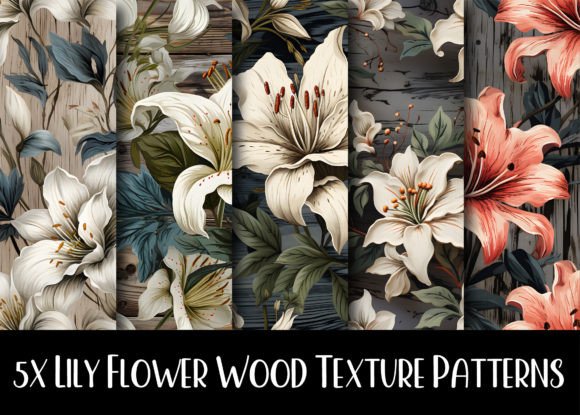
In the realm of digital and print design, the intersection of organic forms and structural textures often yields the most compelling visual results. The Lily Flower Wood Texture Patterns collection represents a specific solution for designers seeking to bridge the gap between rustic durability and delicate floral aesthetics. This resource provides five distinct high-resolution patterns that merge the grain of wood with the silhouette of lilies, offering a versatile asset for professionals ranging from web developers to print publishers. Understanding how to integrate these assets effectively requires more than just downloading files; it demands a strategic approach to asset management, color theory, and application within your broader creative process.
The Role of Texture in Visual Hierarchy and Brand Identity
Before implementing any texture, it is essential to understand its function within a project's visual hierarchy. Textures are not merely decorative fillers; they establish depth, convey mood, and guide the viewer's eye. The Lily Flower Wood Texture Patterns serve as a foundational layer that can transform a flat, sterile interface or document into something warm and inviting. When planning a brand identity or a marketing campaign, selecting the right background texture is a critical decision point that occurs early in the design phase.
These patterns fit into the workflow at the conceptualization stage. If your goal is to communicate values such as growth, nature, resilience, or artisanal quality, the combination of wood grain and lily motifs provides immediate semantic cues. Unlike generic stock photos which can be cluttered and distracting, seamless patterns allow for consistency across various touchpoints. By using these patterns as a base, you ensure that your typography and primary imagery remain the focal points while the background adds subtle character without competing for attention.
Technical Specifications and Asset Preparation
Efficiency in design workflows relies heavily on the technical quality of the assets used. The Lily Flower Wood Texture Patterns are delivered as 4096x4096px JPG files. This resolution is significant because it ensures scalability across different media types. Whether you are designing a small social media graphic or a large-format banner for a trade show, this pixel density prevents pixelation and maintains crisp detail in the wood grain and floral elements.
Upon acquiring the files, the first step in your implementation process should be organization. Create a dedicated folder structure within your project directory labeled "Textures" or "Backgrounds." Rename the files descriptively (e.g., "Lily_Wood_Tan," "Lily_Wood_Dark") to facilitate quick retrieval during the editing phase. This organizational habit reduces friction when collaborating with team members or revisiting projects months later. Furthermore, consider converting these JPGs to PNG format if your workflow requires transparency overlays, though the JPG format is generally sufficient for full-coverage backgrounds due to its efficient compression and compatibility with standard web and print software.
Optimizing for Digital Platforms
When integrating these patterns into web design, file size and loading speed are paramount concerns. While the original 4096x4096px files are ideal for high-quality exports, they may be too heavy for direct use on mobile websites. A practical workflow involves creating optimized versions specifically for web deployment. Use image compression tools to reduce the file size without sacrificing the visibility of the intricate lily details. Aim for a balance where the texture remains visible but does not impede page load times.
For website backgrounds, apply the pattern using CSS with an opacity overlay. This technique allows the texture to sit beneath your content, providing a subtle atmospheric effect. For instance, setting the opacity of the Lily Flower Wood Texture Patterns to 15% or 20% behind a white text block can create a sophisticated, layered look that feels premium without overwhelming the user. This method is particularly effective for landing pages, blog headers, and portfolio sites where establishing a unique aesthetic quickly is crucial.
Application in Print Media and Physical Products
Transitioning these digital assets to physical media requires a different set of considerations regarding color profiles and paper selection. In print workflows, convert the RGB images to CMYK before sending them to production to ensure color accuracy. The warm tones of the wood and the soft hues of the lilies can shift significantly depending on the printing press and ink formulation. Always request a physical proof when using these patterns for high-stakes materials like business cards, wedding invitations, or packaging.
The tactile nature of wood textures pairs exceptionally well with textured paper stocks. Using the Lily Flower Wood Texture Patterns on heavy cardstock or linen-finish paper enhances the rustic charm inherent in the design. This combination is ideal for boutique businesses, artisanal food brands, or event planners who wish to convey a sense of handcrafted quality. The patterns work effectively as full-bleed backgrounds for flyers or as subtle watermarks on letterheads, adding a layer of sophistication that elevates the perceived value of the printed material.
Strategic Use Cases Across Industries
The versatility of these patterns extends beyond traditional graphic design roles. Entrepreneurs and small business owners can utilize them to differentiate their brand presence on social media. Consistency is key in social media strategy; by applying one of the five available patterns as a recurring background element for Instagram posts, Pinterest pins, or LinkedIn banners, you create a recognizable visual signature. This consistency aids in brand recall and helps followers instantly identify your content in a crowded feed.
For interior designers and hobbyists, these patterns offer a low-cost way to prototype furniture finishes or wall art concepts. You can import the Lily Flower Wood Texture Patterns into presentation software to mock up how a specific room might look with custom wallpaper or printed decals. This allows clients to visualize the final result before committing to expensive physical installations. Additionally, educators and publishers can use these textures to break up monotony in e-books, course materials, or educational worksheets, making learning materials more engaging and visually stimulating for adult learners.
Workflow Integration and Long-Term Usability
To maximize the return on investment for this asset pack, consider building a style guide around it. Define specific rules for when and how the Lily Flower Wood Texture Patterns should be used. For example, reserve the darker wood variations for footer sections or evening-themed campaigns, and use lighter variations for spring launches or morning newsletters. Establishing these guidelines ensures that all team members maintain a cohesive visual language, preventing the misuse of assets that could dilute the brand message.
Furthermore, these patterns interact well with other design tools and resources. They can be combined with vector illustrations, serif typography, and gold foil accents to create a luxury aesthetic. However, caution is advised against over-cluttering. Since the patterns themselves contain intricate details of both wood grain and floral shapes, pairing them with overly complex foreground elements can result in visual noise. A practical rule of thumb is to let the texture breathe; use ample negative space and limit the number of active elements on top of the pattern.
Quality Control and Iteration
As with any design asset, regular quality control checks are necessary. Periodically review how the patterns appear on different devices and under varying lighting conditions. What looks elegant on a high-end monitor may appear muddy on a budget smartphone screen. Be prepared to iterate on your usage based on feedback and performance metrics. If engagement drops on a specific type of post utilizing the texture, experiment with adjusting the opacity or switching to a different variation from the set of five.
The Lily Flower Wood Texture Patterns are not a static solution but a dynamic component of your creative toolkit. By understanding their technical specifications, optimizing them for specific platforms, and integrating them thoughtfully into your workflow, you can leverage their natural elegance to enhance a wide array of projects. Whether you are crafting a digital experience or a tangible product, these patterns provide a robust foundation for designs that resonate with audiences seeking authenticity and beauty.