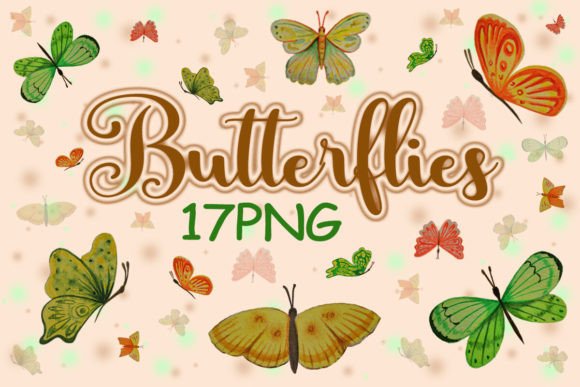
Watercolor Butterflies Clipart: A Creative Guide
There is a distinct difference between standard digital graphics and assets that carry an emotional weight. Watercolor Butterflies Clipart falls firmly into the latter category. When you integrate these delicate, hand-painted elements into your work, you are not just adding decoration; you are introducing a sense of organic movement and artistic authenticity that rigid vector shapes often lack. This collection offers a set of high-resolution cliparts, specifically seventeen files in PNG format, designed to bridge the gap between traditional artistry and modern digital convenience.
The visual appeal of watercolor butterflies lies in their imperfection. Unlike computer-generated illustrations that strive for mathematical symmetry, these images feature soft edges, bleeding colors, and translucent layers. This aesthetic creates a gentle, inviting atmosphere that resonates with audiences seeking warmth and approachability. Whether you are a seasoned graphic designer or a hobbyist creating personalized gifts, understanding how to leverage these assets can significantly elevate the perceived value of your projects.
Understanding the Visual Language of Watercolor Assets
To effectively use Watercolor Butterflies Clipart, one must first appreciate its stylistic nuances. The term "watercolor" implies a specific technique involving water-soluble pigments, resulting in a look that is fluid, airy, and often unpredictable. In a digital context, this translates to PNG files with transparent backgrounds, allowing the artwork to blend seamlessly with various substrates without harsh white boxes around the edges.
The seventeen elements included in this set are rendered at 3000 x 3000 pixels, which equates to 10 × 10 inches at 300 dots per inch (DPI). This resolution is critical. Many free online resources offer low-resolution images that pixelate when printed or scaled up. By providing high-DPI files, this collection ensures that the subtle gradients and fine brushstrokes remain crisp, whether viewed on a retina display or printed on large-format paper. This technical quality supports professional applications where clarity and detail are non-negotiable.
From a design perspective, these butterflies serve as versatile design assets. They can function as focal points in editorial design, subtle accents in web design, or central motifs in packaging design. Their organic shapes contrast beautifully with structured layouts, breaking up monotony and guiding the viewer’s eye through the composition. The color palettes typically associated with watercolor butterflies—soft pastels, earthy tones, or vibrant jewel tones depending on the specific file—can influence the mood of the entire piece, evoking feelings of spring, renewal, freedom, or elegance.
Strategic Applications Across Industries
The versatility of this clipart set extends far beyond simple scrapbooking. For entrepreneurs and small business owners, these images are powerful tools for building a cohesive brand identity. Consider a boutique selling handmade soaps or organic skincare products. Using watercolor butterflies on labels, business cards, and social media posts reinforces a natural, eco-friendly narrative. The softness of the watercolor style aligns perfectly with brands that prioritize gentleness and sustainability.
In the realm of logo design, while these clips are illustrative rather than typographic, they can be integrated into emblem-style logos or used as secondary marks. For instance, a wedding planner might incorporate a subtle butterfly overlay into their stationery suite to suggest transformation and beauty. Similarly, bloggers and content creators can use these elements to create engaging social media graphics that stand out in crowded feeds. The unique texture of watercolor adds depth that flat design often misses, encouraging users to pause and engage with the content.
Print-on-demand businesses also benefit significantly from high-quality PNGs. When printing on t-shirts, pillows, towels, or mugs, the transparency of the PNG format allows the design to sit naturally on the fabric or ceramic surface. If the background were not transparent, you would see unsightly white squares around the butterflies, which looks unprofessional. With 300 DPI resolution, the print quality remains sharp even on textured materials like canvas or linen, ensuring that the final product looks like a premium item rather than a cheap novelty.
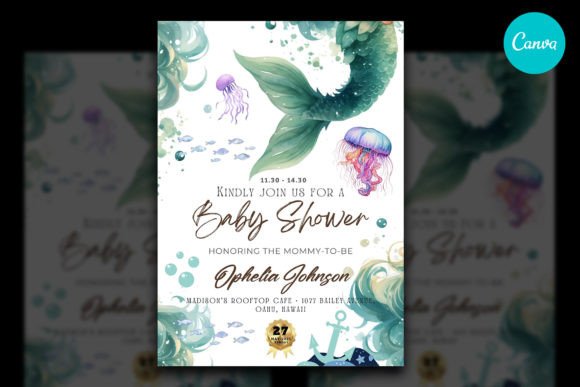
Furthermore, these assets are ideal for invitations and postcards. Whether for birthdays, baby showers, or corporate events, the addition of a watercolor butterfly adds a touch of sophistication. It suggests that care was taken in the design process, enhancing the recipient's perception of the event's importance. For publishers, these clips can embellish book covers or chapter headers, particularly in genres like romance, self-help, or nature writing, where visual metaphor plays a key role in storytelling.
Technical Best Practices for Integration
While the aesthetic value is clear, successful implementation requires attention to technical details. Since these are raster images (PNGs) rather than vectors, scaling them beyond their original dimensions will result in quality loss. Therefore, it is essential to start with the largest size needed for your project. At 3000 x 3000 pixels, you have ample room to scale down for web use or maintain size for high-quality prints. Always check the dimensions before placing the image in your layout software to ensure it meets the output requirements.
When combining Watercolor Butterflies Clipart with typography, consider the concept of balance. Watercolor images are often detailed and visually "busy." Pairing them with clean, minimalist fonts helps prevent the design from becoming cluttered. A modern sans serif font can provide a contemporary counterpoint to the traditional feel of the watercolor, while a delicate script font can enhance the romantic or whimsical vibe. Avoid using overly decorative typefaces that compete with the intricate details of the butterfly wings.
Color harmony is another crucial factor. Use a color picker tool to extract shades from the butterfly images and apply them to your text or background elements. This creates a unified look and strengthens the visual hierarchy. If the butterfly features soft blues and greens, using those same hues for headings or borders ties the composition together. Conversely, using complementary colors can make the butterfly pop, but this should be done sparingly to maintain elegance.
For digital projects, optimize the file size without compromising quality. While the source files are large, web versions should be compressed appropriately to ensure fast loading times. Tools like TinyPNG can reduce file size significantly while preserving transparency and visual fidelity. For print, always convert your final document to CMYK color mode if your printer requires it, although many modern digital printers handle RGB well. Always request a proof if possible to ensure the colors translate accurately from screen to paper.
Finally, respect the licensing terms. Instant download products usually come with specific usage rights. While many allow for commercial use in end products like printed goods, they may restrict resale of the digital files themselves. Understanding these boundaries protects your business and respects the creator’s intellectual property. By adhering to these guidelines, you can confidently use Watercolor Butterflies Clipart to create stunning, professional-grade designs that resonate with your audience and enhance your brand’s visual story.