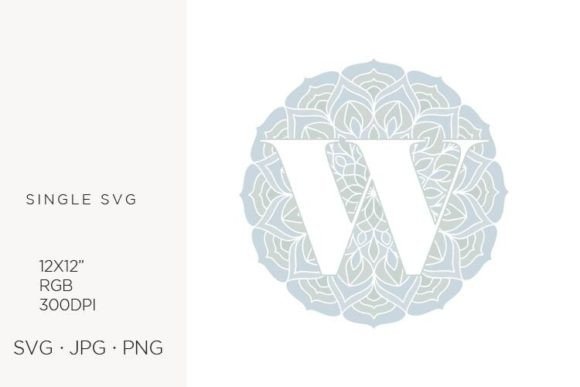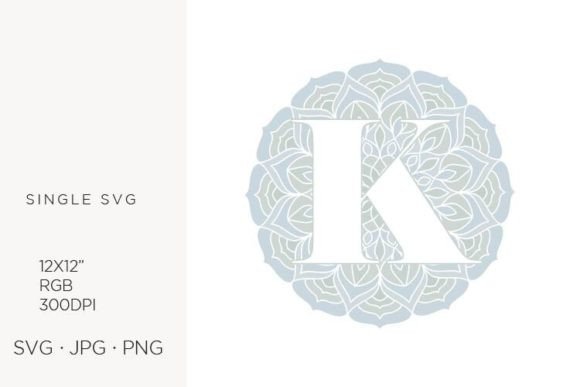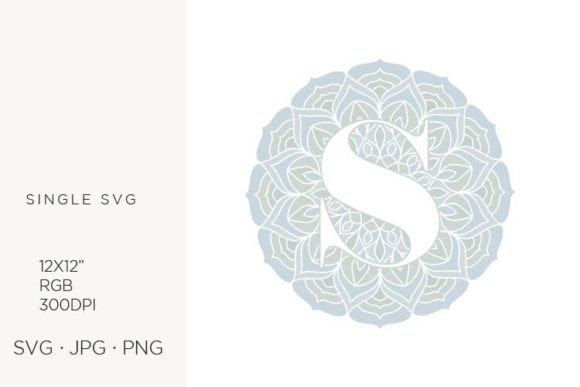
Mastering the Mandala Monogram: A Guide to High-Quality Vector Art
Creating a memorable brand identity or a stunning piece of home decor often comes down to one critical decision: the quality of your digital assets. When you search for intricate designs, the Mandala Monogram stands out as a powerful combination of geometric symmetry and personalized lettering. However, not all clipart is created equal. Many creators and small business owners unknowingly download low-resolution files that look perfect on a screen but fall apart when printed. Understanding the technical specifications behind these graphics is the first step toward professional results.
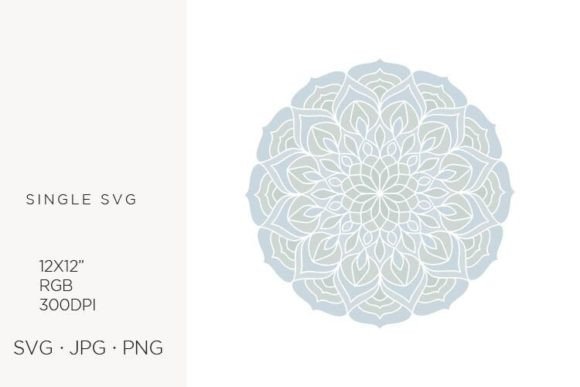
A true Mandala Monogram is more than just a decorative image; it is a versatile tool designed for scalability. These elements are crafted in vector programs like Adobe Illustrator, ensuring that every curve and line remains crisp regardless of how much you zoom in. The standard artboard size for these collections is typically 12 x 12 inches, providing a balanced canvas for logos, wall art, and stationery. With a resolution of 300 dpi and an RGB color palette, these files are optimized for both digital screens and high-quality printing. Available in SVG, JPG, and PNG formats, they offer the flexibility needed for everything from web design to handmade jewelry.
The Hidden Cost of Low-Resolution Graphics
One of the most common mistakes designers make is prioritizing aesthetics over file integrity. It is tempting to choose a design based solely on how it looks in a thumbnail preview. Yet, this approach often leads to pixelation, jagged edges, and muddy colors when the image is enlarged. If you plan to use your Mandala Monogram for large-format prints, such as wall art or party banners, a low-resolution raster file will ruin the presentation.
The difference between a 72 dpi web image and a 300 dpi print-ready file is significant. When you stretch a low-res image, the computer attempts to fill in the gaps with pixels, resulting in a blurry mess. This affects not only the visual appeal but also the perceived value of your work. For entrepreneurs selling handmade craft items or printed paper goods, poor image quality can damage your reputation. Clients expect sharp lines and vibrant colors, especially when the design features the complex details inherent in mandala patterns.
To avoid this pitfall, always verify the file format before downloading. While JPG and PNG are excellent for web use and quick previews, they are raster-based and have fixed dimensions. For maximum versatility, prioritize SVG files. As a vector format, SVG allows you to scale the Mandala Monogram to any size without losing clarity. Whether you need a tiny icon for a social media profile or a massive mural for an event space, the vector data ensures the artwork remains flawless.
Navigating Color Spaces and Print Requirements
Another frequently overlooked detail is the color mode. Most digital graphics, including those created in Adobe Illustrator, are delivered in the RGB (Red, Green, Blue) color palette. This is ideal for screens, where light creates the colors you see. However, if you intend to print your designs on physical materials like invitations, announcements, or cards, you must understand the limitations of RGB.
Printers operate using CMYK (Cyan, Magenta, Yellow, Key/Black) ink. When an RGB file is sent directly to a printer without conversion, the colors may shift, appearing duller or different than expected. Bright neon greens or electric blues that pop on your monitor might turn into muddy tones on paper. This discrepancy can be frustrating, leading to wasted materials and extra costs for reprints.
The solution is not to avoid RGB files, but to know how to handle them. Professional designers convert their RGB vectors to CMYK within their software before sending them to print. If you are a beginner using these Mandala Monogram elements, check if your printing service offers color correction or ask for a proof before committing to a full run. Alternatively, ensure your design software allows you to adjust the color profiles to match the specific output device you are using. Being proactive about color management saves time and ensures your final product matches your vision.
Strategic Applications for Your Digital Assets
Once you have secured high-quality files, the possibilities for application are vast. The 12 x 12 inch artboard size is particularly advantageous because it provides ample negative space around the central design. This balance makes it easier to integrate text, additional graphics, or branding elements without cluttering the composition.
- Logo Design: Use the vector paths to create a unique monogram for your business. The clean lines of a Mandala Monogram convey elegance and attention to detail, making it suitable for luxury brands or creative agencies.
- Handmade Crafts: Laser cutters and vinyl plotters rely heavily on vector files. You can use these elements to create intricate jewelry, wooden signs, or layered paper art. The precision of the SVG format ensures your cutting machine follows the exact path intended by the designer.
- Stationery and Invitations: From wedding announcements to birthday party decor, these graphics add a touch of sophistication. Because the files are 300 dpi, they will print sharply on cardstock, ensuring your invitations look premium.
- Web and Graphic Design: For digital projects, the PNG and JPG versions provide transparency options and fast loading times. They work well as background textures, icons, or focal points in blog posts and marketing materials.
Evaluating Quality Before You Buy
Before investing in a new set of digital graphics, take a moment to evaluate the source and the file specifications. Reputable sellers will clearly state that their files are made in Adobe Illustrator and include the specific formats mentioned earlier. Look for descriptions that highlight "vector based elements" and "scalability." If a listing only mentions JPGs without offering SVGs, proceed with caution, as your ability to resize the image will be limited.
Additionally, consider the complexity of the design. A Mandala Monogram should be detailed but not so dense that it becomes difficult to edit or separate layers. Check if the seller provides organized layers in the original AI file. This organization allows you to change colors, swap letters, or modify parts of the mandala to suit your specific needs. A well-structured file saves hours of frustration during the editing process.
Finally, think about your long-term goals. Are you creating a one-off project, or do you need assets for a growing brand? Investing in high-quality, multi-format files now prevents the need to repurchase or redesign later. By choosing professional-grade Mandala Monogram clipart, you empower yourself to create consistent, high-impact visuals across all your projects. Remember, the foundation of great design lies in the quality of the tools you use. Make sure your digital assets are up to the task.