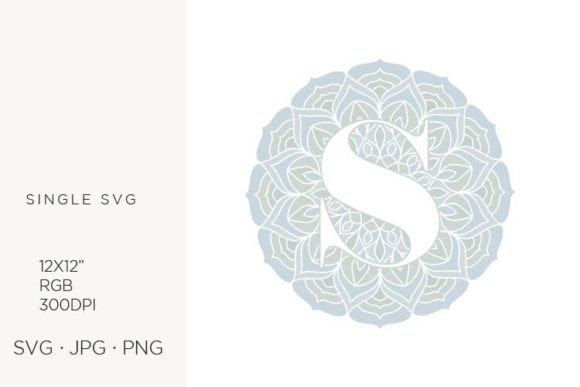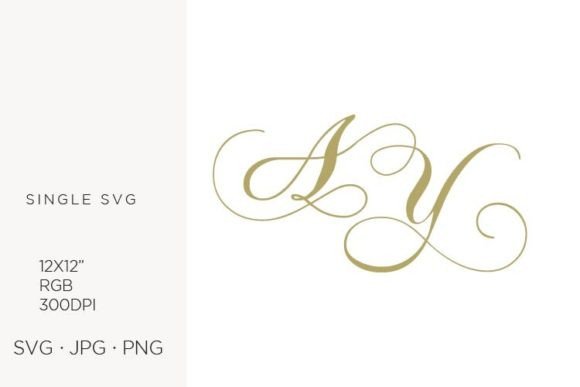
Monogram, Letter A and Letter Y: Designing with Purpose and Precision
Creating a memorable brand identity or a personalized gift often comes down to the smallest details. When you combine a classic Monogram with specific characters like Letter A and Letter Y, you unlock a unique aesthetic that balances tradition with modern flair. Whether you are designing a logo for a new venture, crafting wedding invitations, or creating custom wall art, the choice of your digital assets determines the final quality of your project. Many creators rush this step, assuming that any downloadable graphic will suffice. However, understanding the technical specifications and design intent behind these elements is crucial for professional results.
The Versatility of Vector Graphics in Modern Design
Why do so many professionals and hobbyists gravitate toward SVG artwork featuring monograms? The answer lies in scalability and flexibility. Unlike raster images that pixelate when enlarged, vector graphics maintain crisp edges at any size. This makes them ideal for everything from tiny business cards to massive vinyl banners. When you download a package containing a Monogram, Letter A and Letter Y in SVG format, you are acquiring a file built on mathematical paths rather than fixed pixels. This allows you to resize the design without losing resolution, a critical feature for high-quality printing.
Beyond logos, these digital elements serve as the foundation for handmade craft items, stationery, and party decor. Imagine using a sophisticated Letter A and Letter Y combination to personalize baby announcements or anniversary cards. The ability to manipulate colors, spacing, and layering within a vector program gives you creative control that pre-made templates simply cannot match. For entrepreneurs and small business owners, this flexibility means your brand can evolve without needing to commission expensive new artwork every time you change direction.
Common Pitfalls When Selecting Digital Assets
Despite the clear benefits, many designers fall into traps that compromise their work. One of the most frequent mistakes is ignoring the file format limitations. Beginners often download low-resolution JPGs for projects that require print production. While a 300 DPI JPG might look sharp on a screen, it lacks the editability of an SVG file. If you plan to cut your design with a Cricut or Silhouette machine, or if you need to adjust the kerning between the Letter A and Letter Y, a static image will not suffice.
Another overlooked detail is the color mode. Many free or budget-friendly graphics are provided in CMYK (Cyan, Magenta, Yellow, Key/Black) when they are intended for web use, or vice versa. For digital applications like web design or social media graphics, an RGB color palette is essential to ensure vibrant, accurate colors on screens. Conversely, if you are sending files directly to a commercial printer for large-scale production, you may need to convert those RGB vectors to CMYK later. Starting with the wrong color profile can lead to dull, muddy prints that fail to represent your vision.
Furthermore, users often neglect to check the artboard dimensions. A standard 12x12 inch artboard is a versatile starting point, perfect for square formats like Instagram posts, coasters, or framed wall art. However, blindly applying a design meant for a square canvas to a rectangular banner or a vertical invitation can result in awkward cropping or distorted proportions. Always verify that the composition works within your specific layout constraints before committing to a purchase or download.
Maximizing Quality Through Proper File Management
To avoid these issues, you must understand what a complete asset package should include. A professional delivery for Monogram, Letter A and Letter Y designs typically offers multiple file types to cover various use cases. You should expect to find:
- One SVG file: The primary vector source for editing in Adobe Illustrator, cutting machines, or scalable web graphics.
- One JPG file (300 DPI): High-resolution preview suitable for mockups, presentations, or quick proofs.
- One PNG file (300 DPI, transparent background): Ideal for overlaying text or placing the monogram on colored backgrounds without white boxes.
Having all three formats ensures efficiency. If you only have the SVG but need a quick preview for a client meeting, converting it yourself takes time. If you only have the JPG, you cannot edit the letterforms. By securing a zip file that includes all these variations, you streamline your workflow and reduce the risk of technical errors during production.
Practical Steps for Successful Implementation
Before integrating a Monogram, Letter A and Letter Y into your project, take a moment to evaluate your specific needs. Are you creating a logo for a tech startup or a rustic wedding invite? The style of the letterforms matters immensely. A script font pairing 'A' and 'Y' might feel elegant for an event but too informal for a corporate identity. Similarly, a bold, geometric monogram might overpower delicate stationery but work perfectly for bold signage.
Once you have selected the right style, test the files immediately upon downloading. Open the SVG in your preferred vector software—Adobe Illustrator is the industry standard—and inspect the layers. Ensure that the letters are properly grouped and that no stray anchor points exist. Check the transparency of the PNG by dragging it onto a contrasting background; any jagged edges or halos indicate a poor export job. These small checks save hours of frustration later when you are trying to finalize a deadline-driven project.
For those using these graphics in handmade crafts, remember that the complexity of the design affects the cutting process. Intricate swirls connecting the Letter A and Letter Y might be beautiful visually but difficult for a blade to navigate cleanly on certain materials. Simplify the design slightly if necessary, or choose a version with thicker lines for better durability in physical products like wooden signs or fabric patches.
Evaluating Value Before You Buy
In a market flooded with digital downloads, distinguishing between high-quality assets and mediocre ones requires attention to detail. Do not judge a product solely by its thumbnail image. Look for descriptions that explicitly mention "vector program," "editable," and "high resolution." Avoid listings that promise "unlimited licenses" but provide only low-res JPEGs. True value comes from the versatility of the files.
Consider the long-term utility of the design. Will this Monogram, Letter A and Letter Y graphic serve just one project, or can it become part of a broader brand suite? Investing in a well-constructed vector file allows you to reuse the elements across different mediums—from printed paper items to digital advertisements—without paying for new assets each time. This approach not only saves money but also maintains visual consistency across all your communications.
Finally, trust your instincts regarding usability. If a tutorial or support guide is missing, or if the file structure is confusingly nested, it may indicate a lack of professionalism from the creator. Reliable sellers provide clear instructions on how to use the SVG, JPG, and PNG files effectively. By prioritizing clarity, quality, and compatibility, you ensure that your creative projects shine with the polish and precision they deserve.