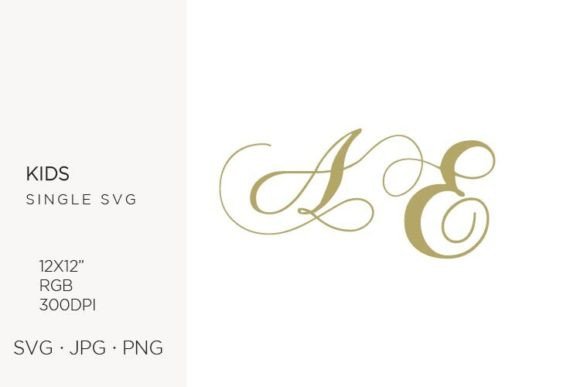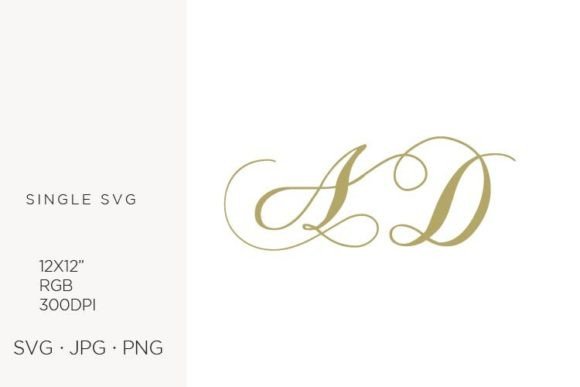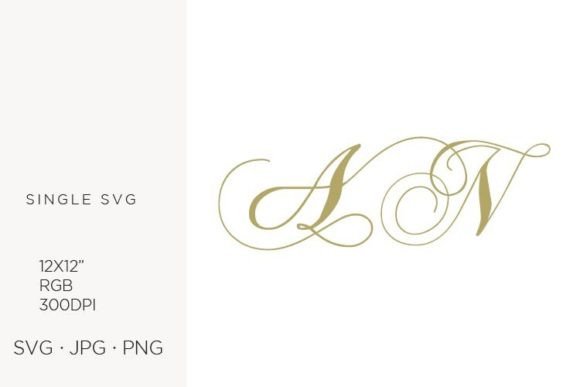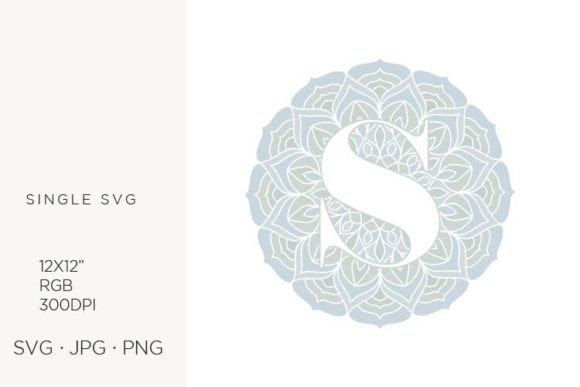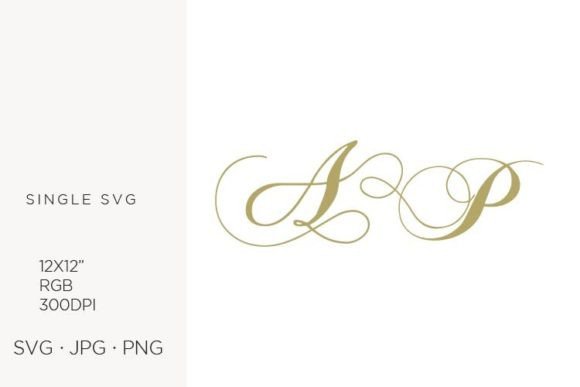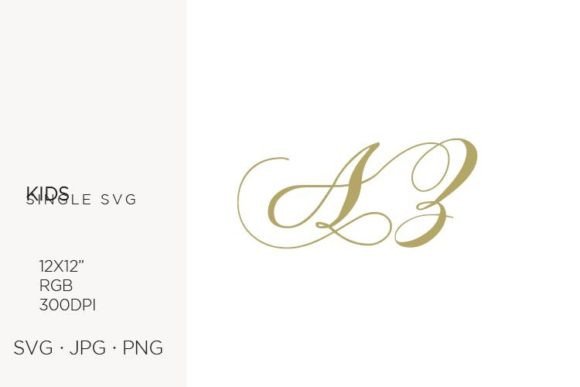
Monogram, Letter A and Letter Z: Strategic Design Assets for Brand Identity
In the competitive landscape of visual communication, the difference between a memorable brand and a forgotten one often lies in the precision of its foundational elements. The Monogram, Letter A and Letter Z digital graphic collection represents more than just aesthetic shapes; it is a strategic toolkit for entrepreneurs, designers, and creators seeking to establish a cohesive visual language. Whether you are launching a new product line, designing custom stationery, or refining your web presence, these assets provide the structural integrity needed for high-impact design decisions.
This specific collection, featuring an artboard size of 12x12 inches at 300 dpi resolution within an RGB color palette, is engineered for versatility. By including SVG, JPG, and PNG files, the package ensures that users can adapt their designs across various mediums without compromising quality. Understanding how to leverage the Monogram, Letter A and Letter Z effectively requires a shift from viewing them as mere clipart to recognizing them as core components of a broader branding strategy.
The Strategic Value of Initials in Modern Branding
Why focus on the first and last letters of the alphabet? In design theory, the span from Letter A to Letter Z symbolizes completeness and range. When applied to a monogram, this concept translates into a sense of authority and wholeness. For small business owners and freelancers, a well-crafted monogram serves as a shorthand for professional identity. It reduces cognitive load for the audience, allowing them to instantly recognize a brand through a simplified glyph rather than a complex logo lockup.
The inclusion of both Letter A and Letter Z in this specific asset set allows for the creation of initials that bookend a name or project. This is particularly useful for personal branding where a creator's name might start with 'A' or end with 'Z', or for businesses that wish to emphasize a full spectrum of services. The strategic utility here is twofold: it offers immediate customization for diverse clients and provides a scalable solution for internal branding materials.
When utilized correctly, the Monogram, Letter A and Letter Z collection supports long-term brand consistency. Unlike trend-driven graphics that may date quickly, classic typography-based monograms offer longevity. They anchor a brand's visual identity, ensuring that whether the output is a printed invitation card or a digital social media banner, the core message remains unified. This consistency builds trust, a critical factor in customer experience and retention.
Technical Specifications and Workflow Efficiency
For professionals managing multiple projects, technical flexibility is paramount. The decision to include three distinct file formats—SVG, JPG, and PNG—addresses the varied needs of modern production workflows. Each format serves a specific strategic purpose in the execution phase of a design project.
- SVG (Scalable Vector Graphics): Created in Adobe Illustrator, the SVG file is the cornerstone of this collection. As a vector format, it allows for infinite scalability without loss of resolution. This is essential for large-format applications such as wall art, banners, or signage where pixelation would be detrimental. For graphic designers, the ability to edit paths and colors directly in a vector program streamlines the customization process.
- JPG (300 DPI): The high-resolution JPEG file is optimized for print workflows where transparency is not required. At 300 dpi, this file meets industry standards for professional printing, ensuring crisp edges and accurate color reproduction on physical items like announcements, handmade cards, and printed paper goods.
- PNG (300 DPI Transparent Background): The PNG file with a transparent background is indispensable for digital integration. It allows the Monogram, Letter A and Letter Z artwork to be overlaid onto existing websites, social media graphics, or layered into complex Photoshop compositions without the distraction of a white box.
The 12x12 inch artboard size is a deliberate choice that aligns with standard crafting and printing dimensions. This square format is ideal for Instagram posts, square stickers, and die-cut templates, reducing the time spent on cropping and resizing. By starting with a standardized dimension, creators can maintain aspect ratio integrity across different platforms, a crucial detail for maintaining professional polish.
Application Across Diverse Creative Verticals
The true power of the Monogram, Letter A and Letter Z collection lies in its adaptability across various industries and creative outputs. From the tactile nature of handmade crafts to the dynamic environment of web design, these assets bridge the gap between physical and digital realms.
Printed Paper Items and Stationery
For publishers and stationery designers, the quality of the initial impression matters immensely. Using these high-resolution files for invitations, announcement cards, and letterheads elevates the perceived value of the product. A wedding invitation featuring a customized monogram derived from the Letter A or Letter Z templates conveys elegance and attention to detail. Similarly, corporate stationery utilizing these clean lines reinforces a message of efficiency and professionalism.
Handmade Craft Items and Party Decor
Hobbyists and crafters often struggle with finding high-quality digital assets that translate well to physical media. The 300 dpi resolution ensures that when these designs are printed on vinyl, transferred to fabric, or used as stencils for wall art, the details remain sharp. For party decor, the ability to scale the SVG file means the same design can be used for a small cupcake topper and a large backdrop, ensuring visual harmony throughout the event space.
Graphic and Web Design
In the digital realm, speed and clarity are vital. Web designers can utilize the PNG versions for quick deployment on landing pages or as favicons, while the SVG files ensure that logos render perfectly on high-density retina displays. The Monogram, Letter A and Letter Z elements can serve as subtle watermarks, section dividers, or primary navigation icons, adding a layer of sophistication to user interfaces without cluttering the screen.
Decision-Making Framework for Asset Utilization
While the versatility of these graphics is a strength, it also presents a challenge: the temptation to use them indiscriminately. To achieve better results, creators must approach the Monogram, Letter A and Letter Z collection with intentionality. Random application of design elements can dilute brand messaging and create visual noise.
Before integrating these assets, consider the following strategic questions:
- What is the primary goal? Are you aiming for brand recognition, emotional connection, or functional clarity? If the goal is recognition, the monogram should be prominent and consistent. If the goal is decorative, it may serve as a secondary element.
- Who is the target audience? Does the style of the Letter A or Letter Z align with the demographics and psychographics of your customers? A playful font style might suit a children's party planner but could undermine the credibility of a financial consultant.
- What is the medium? Ensure the file format matches the output. Do not use a rasterized JPG for a large-scale wall mural if the SVG is available. The choice of format directly impacts the final quality and professional perception.
Planning is essential. Map out where the monogram will appear before creating the final layout. Will it be on the back of a business card, the corner of a website header, or the center of a tote bag? Consistency in placement and sizing helps build a mental association for the viewer. When the Monogram, Letter A and Letter Z appears in predictable contexts, it becomes a reliable signal of your brand.
Risks of Contextual Misalignment
Even high-quality assets can lead to poor outcomes if used without clear goals. One significant risk is over-customization. While the SVG file allows for editing, altering the fundamental structure of the Letter A or Letter Z too drastically can break the balance and legibility of the design. Straying too far from the original intent of the artwork may result in a logo that looks amateurish or disjointed.
Another risk is inconsistency. Using different variations of the monogram across different channels confuses the audience. If the Monogram, Letter A and Letter Z appears in blue on a website but in red on a printed flyer without a defined color system, the brand loses its cohesive voice. This fragmentation weakens the overall impact and makes the brand harder to recall.
Furthermore, relying solely on a pre-made template without adapting it to the specific nuances of a business can result in a generic look. While these assets provide an excellent foundation, they should be viewed as a starting point. The most successful brands take these elements and infuse them with unique textures, color palettes, or complementary typography that reflects their specific market position.
Long-Term Value and Operational Planning
Investing in high-quality digital graphics like the Monogram, Letter A and Letter Z collection is an investment in operational efficiency. Having a master set of files in multiple formats eliminates the need to recreate assets for every new project. This saves time and resources, allowing creators to focus on higher-level strategic tasks such as marketing campaigns and customer engagement.
From a planning perspective, these assets support scalability. As a business grows from a freelancer to a small agency, the need for varied collateral increases. The ability to generate everything from a simple email signature to a complex trade show display from a single source file ensures that growth does not come at the cost of brand degradation.
Ultimately, the strategic use of the Monogram, Letter A and Letter Z is about making informed choices that align with broader business objectives. It is about understanding that every visual element contributes to the narrative of the brand. By treating these digital graphics as strategic tools rather than disposable decorations, creators can build stronger, more resilient identities that stand the test of time. Whether for a handmade craft item or a corporate rebrand, the thoughtful application of these assets paves the way for clearer communication and more impactful results.